Most airport systems don’t fail all at once.
They fail under pressure.
Disruption happens. An incident unfolds. Operations need to respond quickly.
And that’s when the gaps show up:
-
financial data isn’t current
-
access permissions aren’t clear
-
systems don’t align
It’s not the disruption that causes the biggest issue. It’s the lack of system-level control when it happens.
That’s what resilience actually means in airport operations.
What Airport System Failures Actually Reveal
Failures don’t expose new problems. They expose existing weaknesses.
1. Revenue Leakage During Disruption
When operations are interrupted:
-
billing processes slow down
-
contract enforcement weakens
-
revenue tracking becomes inconsistent
Without real-time financial visibility, losses go unnoticed.
2. Credentialing Bottlenecks During Emergencies
In high-pressure situations:
-
access needs to be granted quickly
-
permissions need to change in real time
Manual credentialing slows everything down.
3. Lack of Visibility Across Tenants and Access Control
During disruption:
-
who has access becomes unclear
-
tenant activity is harder to track
-
system dependencies are not visible
This creates operational blind spots.
4. Manual Financial Tracking Slowing Response
When financial data depends on:
-
spreadsheets
-
manual updates
-
delayed reporting
decision-making slows down when speed matters most.
Key Insight: Operational failure is rarely caused by one system. It happens when finance, access, and operations are not connected.
The Financial Backbone of Operational Resilience
Financial systems are not just for reporting. They are part of operational control.
Lease and Tenant Visibility
You need:
-
clear contract terms
-
tenant activity tracking
-
real-time usage data
Without this, financial exposure increases during disruption.
1. Automated Billing Continuity
When operations change:
-
billing must continue automatically
-
contracts must still be enforced
-
revenue capture must remain consistent
Manual billing processes fail under stress.
2. Real-Time Receivables Tracking
During disruptions, visibility matters:
-
what is owed
-
what is delayed
-
where risk exists
Delayed insight leads to delayed action.
3. Revenue Protection During Operational Disruption
Without structured systems:
-
services go unbilled
-
contract terms are missed
-
revenue gaps increase
Automation protects revenue when operations are unstable.
4. Capital Planning Transparency
Resilience also depends on:
-
knowing financial commitments
-
tracking obligations
-
planning for recovery
If financial data is fragmented, planning becomes reactive.
Why This Matters
If you cannot see:
-
your revenue
-
your contracts
-
your financial exposure
in real time, you cannot respond effectively during operational stress.
Why Credentialing Systems Are Critical to Resilience
Security is not separate from operations. It directly impacts how quickly you can respond.
Secure Badge Lifecycle Management
You need:
-
full control over issuance
-
clear tracking of active credentials
-
structured lifecycle management
Without this, access becomes unpredictable.
Rapid Onboarding or Deactivation During Crises
In emergencies:
-
access must be granted instantly
-
access must be revoked immediately
Manual processes create delays that increase risk.
Access Control Integration
Credentialing must connect with:
-
access control systems
-
operational workflows
-
security protocols
Disconnected systems create gaps.
Continuous Vetting and Compliance
Resilience requires:
-
ongoing verification
-
up-to-date records
-
compliance enforcement
Outdated data creates exposure.
Audit-Ready Security Logs
You need:
-
full visibility into access activity
-
traceable actions
-
structured audit logs
Without this, investigation and response are limited.
Why This Matters
| When credentialing is manual: | When it’s automated: |
| 1. response slows | 1. access is controlled in real time |
| 2. access control weakens | 2. incidents are contained faster |
| 3. risk increases | 3. recovery is more efficient |
Connecting Finance and Security for True System Resilience
Most airports treat finance and security as separate systems.
That’s the problem.
Resilience depends on how these systems work together.
1. Financial Continuity
Revenue tracking, billing, and contracts must continue even during disruption.
Access Control Discipline
Who has access must be:
-
clear
-
controlled
-
updated in real time
2. Clear Audit Trails
Both financial and security systems must provide:
-
traceable actions
-
consistent records
-
audit-ready data
3. Controlled Operational Workflows
Operations should not depend on:
-
manual coordination
-
disconnected systems
-
delayed updates
They should be system driven.
Where TADERA Fits In
Resilience doesn’t come from adding more tools.
It comes from connecting the right systems.
TADERA enables airports to:
-
centralize financial operations through ABRM
-
automate billing, contracts, and revenue tracking
-
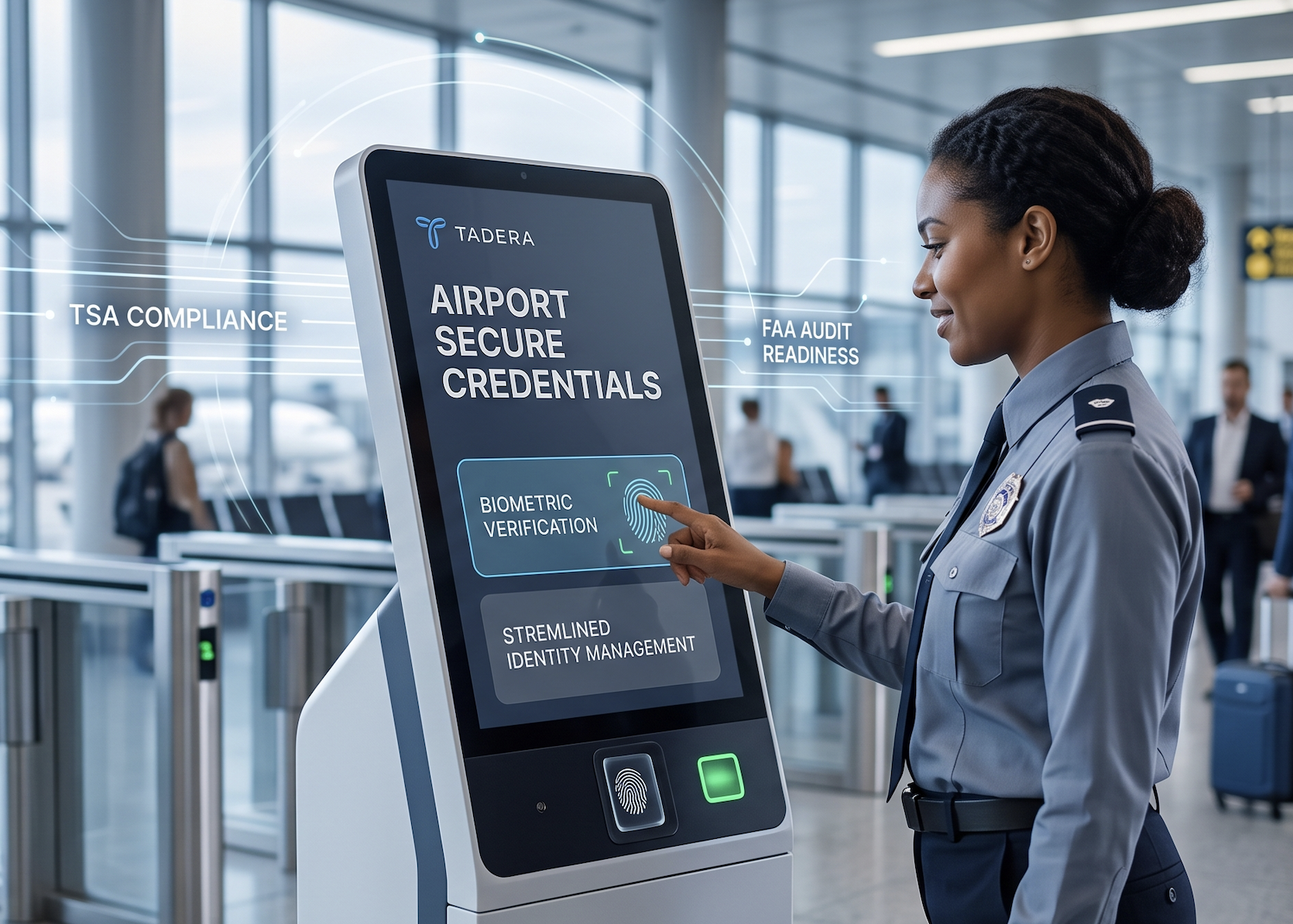
manage secure credentialing through ASC
-
connect finance and access control into a unified operational framework
Instead of reacting to disruptions, you operate with controlled, real-time visibility.
Final Thoughts: Resilience Is Built Before Failure Happens
Resilience is not tested during normal operations.
It’s tested when:
-
systems are stressed
-
decisions must be made quickly
-
visibility becomes critical
Airports that rely on:
-
manual processes
-
fragmented systems
-
delayed data
struggle to respond effectively.
Those with:
-
integrated financial control
-
automated credentialing
-
real-time system visibility
operate with stability, even under pressure.
If your airport systems depend on manual coordination or disconnected tools, resilience will always be limited.
Contact TADERA to evaluate how your financial and credentialing systems are performing under real operational conditions.
Aabha Upadhyaya
Aabha Upadhyaya is a Marketing and Communication Specialist at TADERA with three years of experience in transportation SaaS and technology. She supports branding, digital campaigns, and content focused on aviation challenges, airport management, and airport security solutions.
.png)